How Poor Alignment Affects Your Tires and Fuel Efficiency
Most drivers in San Antonio do not think about wheel alignment until something feels off, but the reality is that alignment plays a major role in how your vehicle performs every time you drive. It affects how your tires wear, how your car handles, and even how much you spend on fuel over time. When alignment is correct, everything works together smoothly. When it is not, small inefficiencies begin to add up in ways that cost you money and reduce the overall performance of your vehicle.
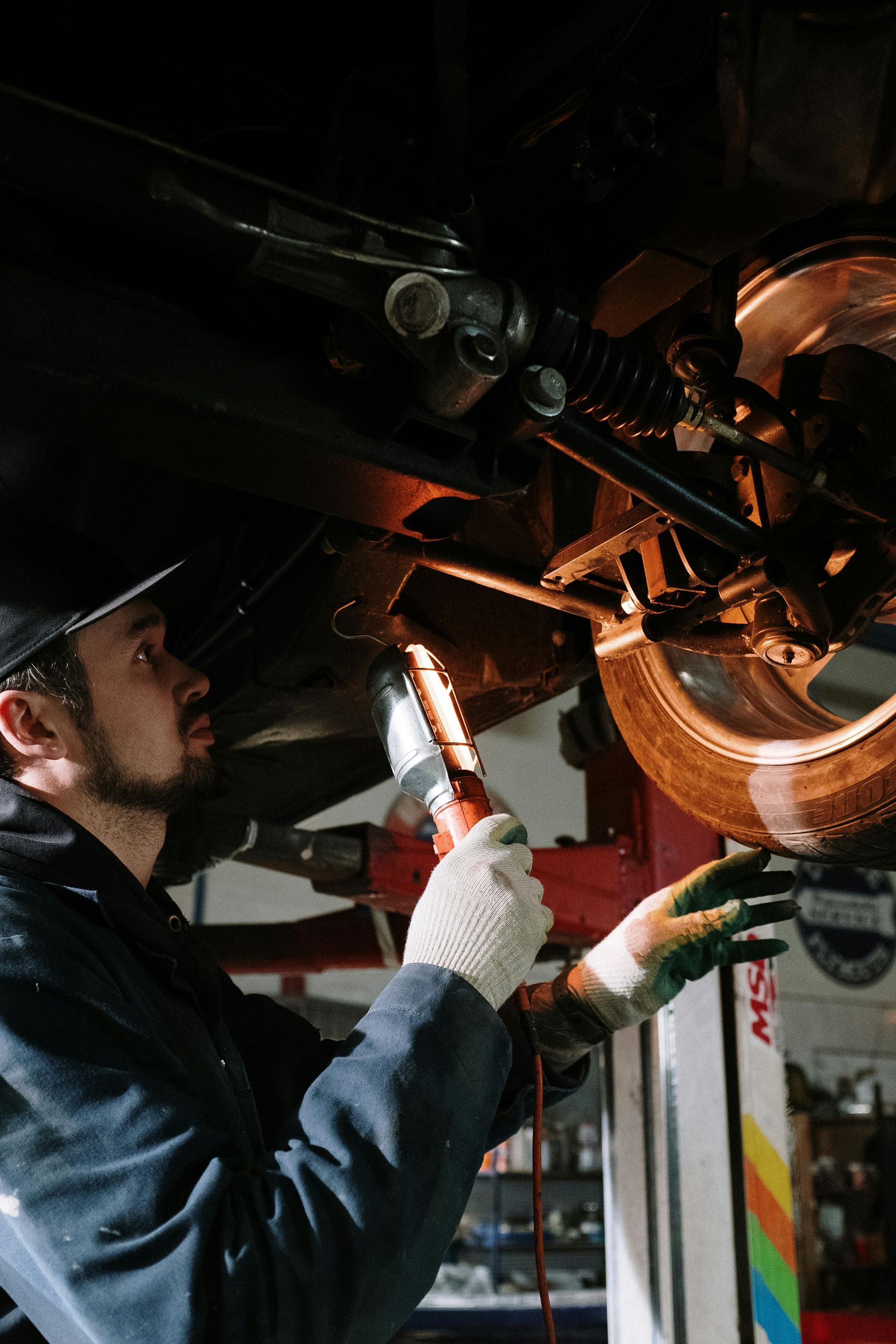
Your tires are the first place where alignment issues show up, even if you do not notice it right away. When your wheels are properly aligned, your tires make even contact with the road surface. This allows them to wear evenly and maintain consistent traction. When alignment is off, certain parts of the tire take on more pressure than others. This leads to uneven wear patterns that reduce the lifespan of the tire. You might notice that one edge of the tire wears down faster than the rest, or that the tread looks inconsistent across the surface. By the time this becomes visible, the damage is already done.
Uneven tire wear is not just a cosmetic issue, it directly impacts how your vehicle grips the road. Tires are designed to provide consistent traction, and when they wear unevenly, that consistency is lost. This affects your ability to brake effectively, especially in situations where you need to stop quickly. It also impacts how your vehicle handles turns, making it feel less stable. In a city like San Antonio, where traffic can change quickly, having reliable traction is essential for safe driving.
Another area where alignment plays a major role is fuel efficiency. When your wheels are not aligned properly, your vehicle does not move as efficiently as it should. Instead of rolling smoothly, your tires create resistance against the road. This means your engine has to work harder to maintain speed, which increases fuel consumption. While this might not seem like a big difference on a single drive, it adds up over time. Consistently driving with poor alignment can lead to noticeably higher fuel costs.
San Antonio driving conditions make alignment issues more common than many drivers realize. Potholes, uneven roads, and frequent stops all contribute to alignment changes. Even something as simple as hitting a curb can shift your alignment slightly. These changes often happen gradually, which is why they are easy to overlook. Without regular checks, you may not realize there is an issue until it has already affected your tires and fuel efficiency.
Steering is another area that is impacted by alignment. If your alignment is off, you may notice that your steering wheel is not centered when you are driving straight. You might also feel like you need to constantly correct your steering to keep your vehicle moving in the right direction. This not only affects comfort, but also adds strain to your steering system over time. Addressing alignment issues helps restore proper steering response and reduces wear on related components.
One of the biggest misconceptions about alignment is that it only matters when there is a noticeable problem. In reality, alignment should be checked regularly as part of routine maintenance. By doing this, you can catch small issues before they lead to uneven tire wear or reduced efficiency. This proactive approach helps you get more life out of your tires and keeps your vehicle operating smoothly.
At Seymour’s Garage, alignment is treated as a key part of maintaining vehicle performance. By ensuring that your wheels are positioned correctly, you can protect your tires, improve fuel efficiency, and maintain better control on the road. If you have noticed uneven tire wear, changes in handling, or increased fuel consumption, having your alignment checked is one of the simplest ways to address the issue and prevent further costs.