Why Your Car AC Isn’t Blowing Cold Air
When your car’s AC stops blowing cold air, it can quickly turn a routine drive into an uncomfortable experience. In San Antonio, where temperatures can be extreme, this issue is more than just an inconvenience. Understanding why your AC is not performing properly helps you take the right steps to restore its function.
One of the most common reasons for reduced cooling is low refrigerant levels. Refrigerant is responsible for absorbing heat and producing cool air, and when levels drop, the system cannot function effectively. This is often caused by leaks, which need to be identified and repaired before the system can be recharged.
The compressor is another critical component. It circulates refrigerant through the system, and if it fails, the entire system is affected. Signs of compressor issues include unusual noises, inconsistent cooling, or a complete loss of cold air. Addressing compressor problems early helps prevent further damage.
Clogged or dirty components can also affect performance. The condenser and evaporator play key roles in the cooling process, and if they become blocked, airflow is restricted. This reduces the system’s ability to cool effectively. Cleaning and servicing these components helps restore proper function.
Electrical issues are another potential cause. Faulty wiring, sensors, or switches can disrupt the operation of your AC system. These problems often require diagnostic tools to identify and resolve. Without proper inspection, they can be difficult to pinpoint.
San Antonio’s heat can amplify these issues. High temperatures place additional stress on your AC system, making even minor problems more noticeable. This is why regular maintenance is essential to keep everything functioning properly.
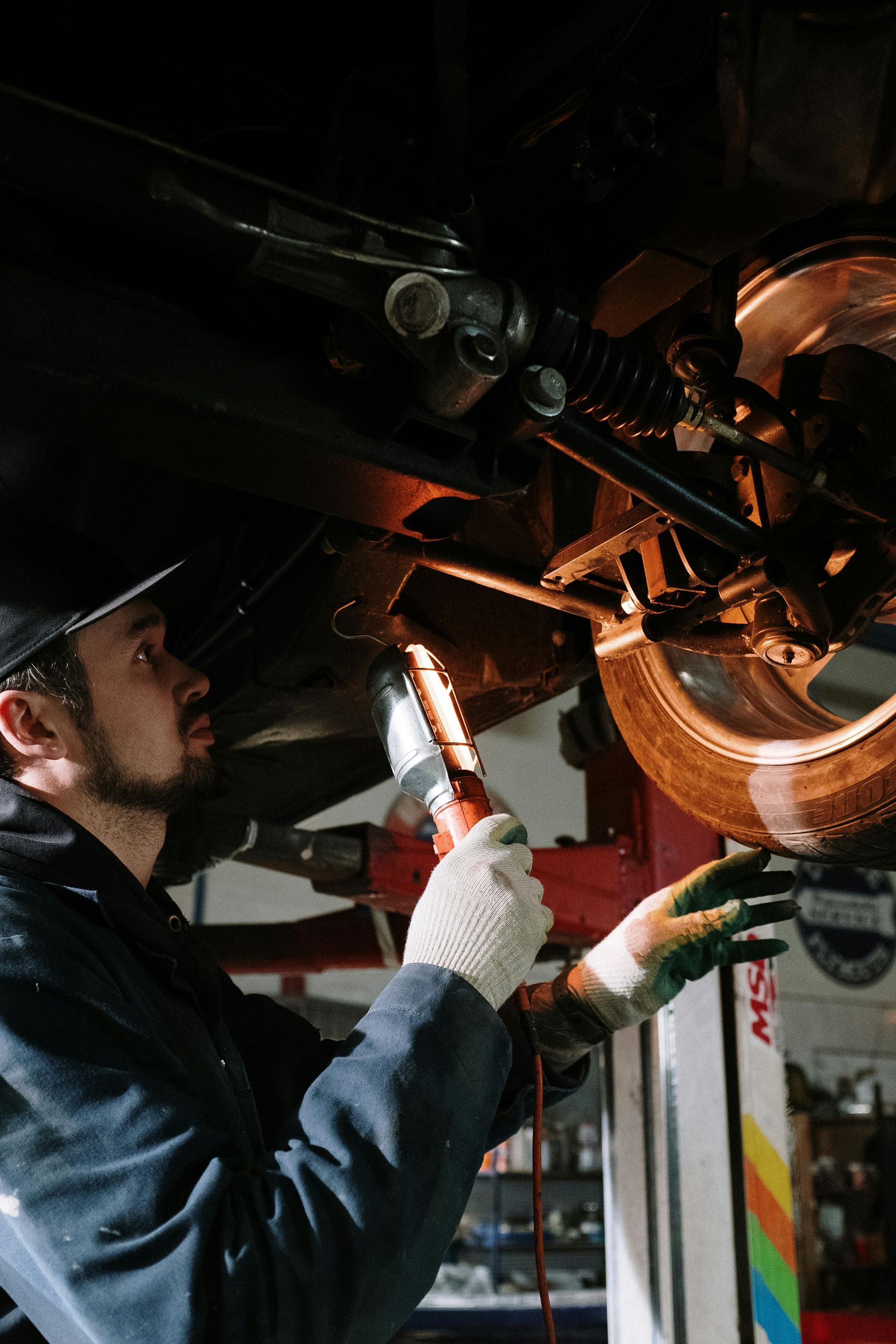
At Seymour’s Garage, AC issues are diagnosed thoroughly to ensure that the root cause is addressed. Whether it is a leak, a failing component, or an electrical issue, the goal is to restore full cooling performance. If your AC is not blowing cold air, having it inspected now can prevent further complications.