Signs Your Engine Is Failing and What to Do Next
Most engines do not fail without warning. There are almost always signs that something is wrong, but those signs are often overlooked or dismissed until the situation becomes more serious. Recognizing these warning signs early gives you the opportunity to take action before your vehicle experiences a complete breakdown.
One of the most noticeable signs of engine trouble is a change in how your vehicle runs. If your car feels rough, struggles to accelerate, or hesitates when you press the gas pedal, there may be an issue with combustion or fuel delivery. These problems can stem from a variety of sources, including spark plugs, fuel injectors, or internal engine components. Addressing them early can prevent further damage.
Another common sign is unusual noise. Knocking, ticking, or grinding sounds are not normal and often indicate that internal parts are not functioning correctly. These noises can become more pronounced over time, and waiting too long to address them can lead to more extensive repairs. Even if the sound seems minor, it is worth having it checked to avoid a larger issue.
Smoke from your exhaust is another clear indicator that something is wrong. Different colors of smoke can point to different problems, such as burning oil or coolant entering the combustion chamber. These issues typically require immediate attention, as they can quickly lead to engine damage if not addressed.
Dashboard warning lights are also important signals that should not be ignored. A check engine light might seem vague, but it is your vehicle’s way of telling you that something needs attention. Having the system scanned and diagnosed provides valuable information about what is happening and helps guide the next steps.
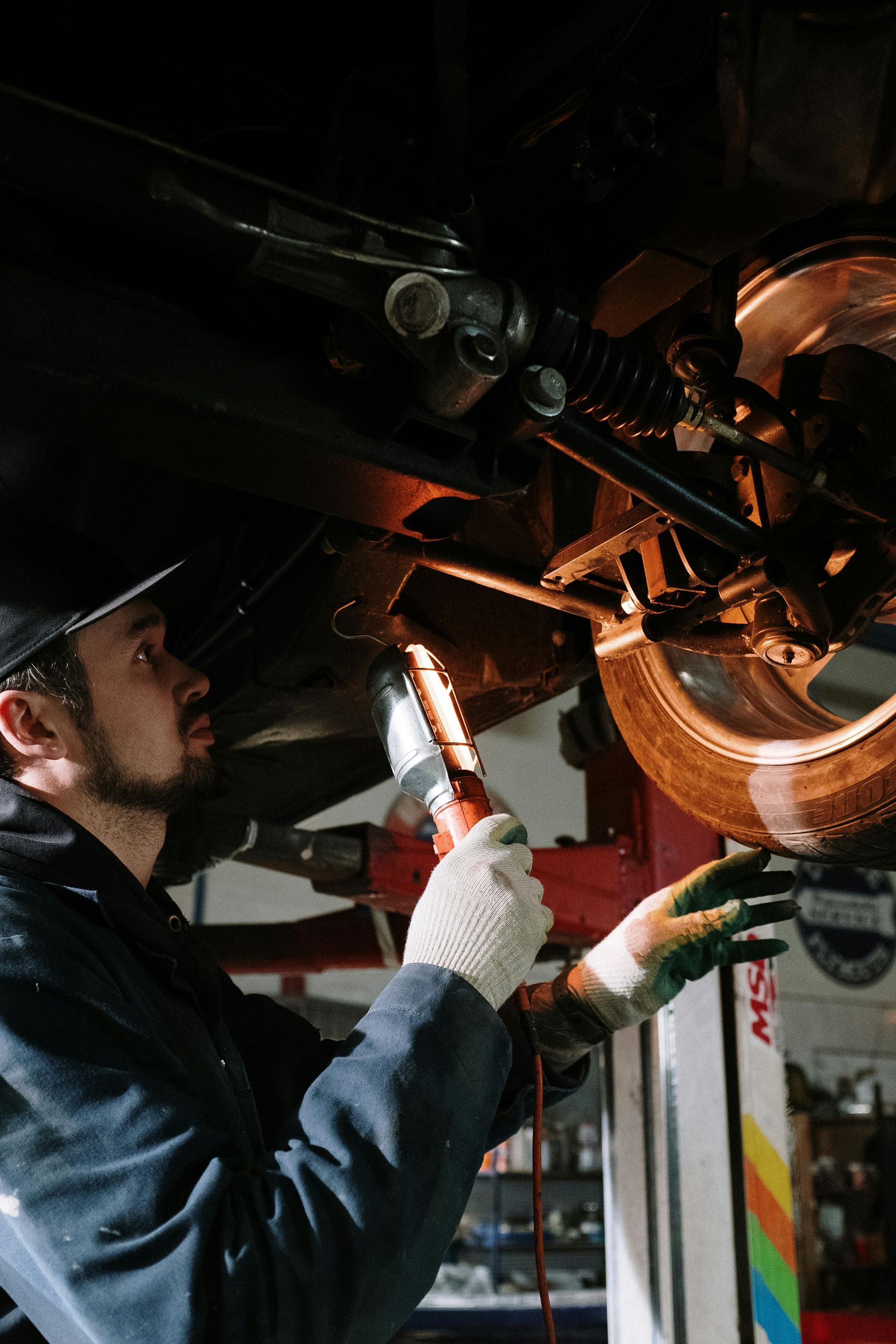
If you notice any of these signs, the most important thing you can do is act quickly. Waiting often leads to more damage and higher repair costs. Bringing your vehicle to a trusted shop like Seymour’s Garage allows you to get a clear understanding of the issue and determine the best course of action.
Taking action early not only protects your engine, but also gives you more options. Instead of being forced into a major repair, you can address the problem at a stage where it is still manageable. This approach saves time, reduces stress, and keeps your vehicle running more reliably.